The Power of Active Play: Fueling Kids’ Growth Through Movement and Exploration
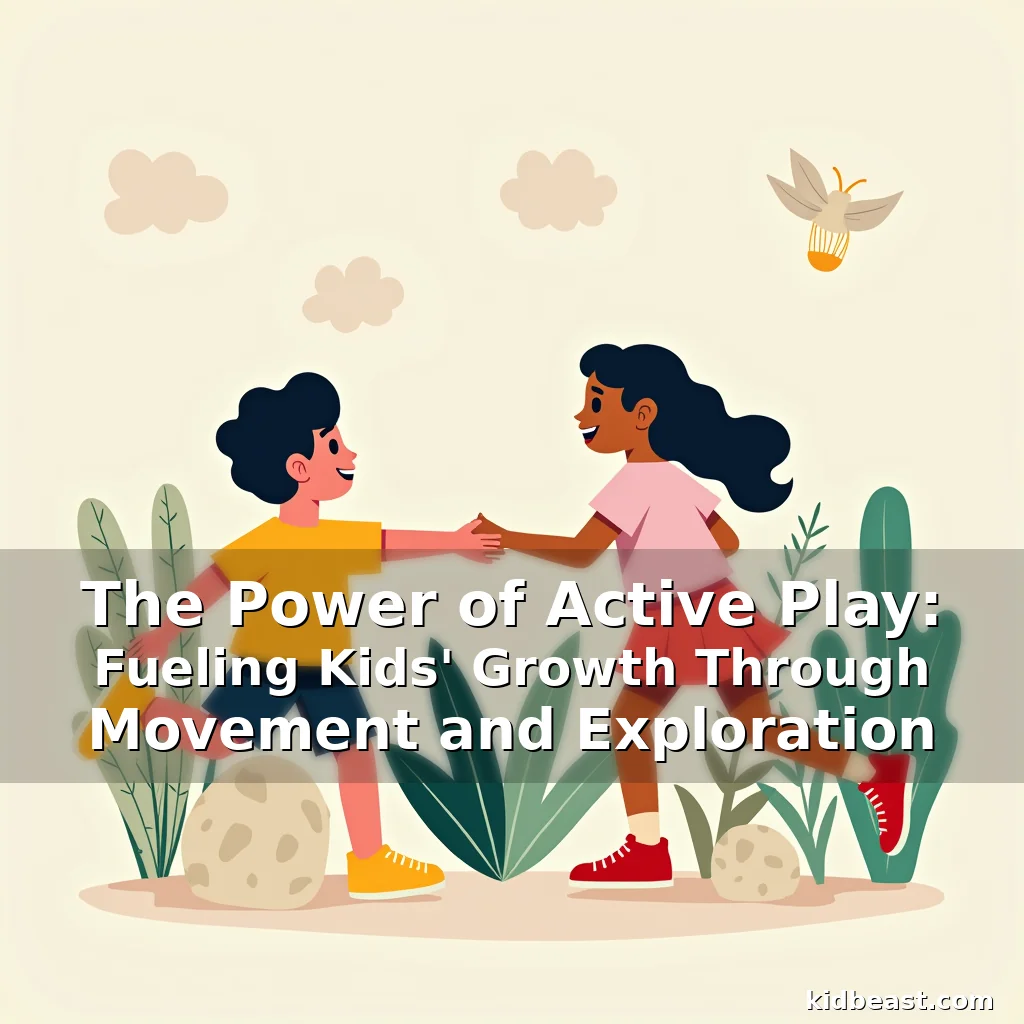
In today’s digital age, where screens dominate children’s free time, active play emerges as a vital antidote that nurtures physical health, cognitive growth, and social skills. This dynamic form of engagement goes far beyond mere recreation—it becomes the cornerstone of holistic child development.
Active play encompasses any movement-based activity that engages children physically while stimulating their minds through exploration, creativity, and interaction. From backyard obstacle courses to imaginative pretend games, these experiences create essential developmental opportunities during critical early years.
Fundamental Benefits of Active Play for Child Development
The advantages of regular active play extend across multiple domains, creating a foundation for lifelong well-being. Physical benefits include improved motor coordination, enhanced cardiovascular fitness, and better weight management through natural calorie burning.
Mental development flourishes when children engage in unstructured play activities that require problem-solving, spatial awareness, and creative thinking. These challenges stimulate neural pathways crucial for academic success later in life.
- Better sleep patterns: Regular physical exertion helps regulate circadian rhythms, leading to more restful nights and increased daytime alertness.
- Enhanced emotional regulation: Play provides safe outlets for expressing emotions, teaching children how to manage frustration and disappointment constructively.
- Improved attention spans: The sensory stimulation from active play strengthens executive function skills necessary for focused learning environments.
The Science Behind Active Play and Brain Development
Neuroscientific research reveals fascinating connections between physical activity and brain growth. When children run, jump, climb, or balance, they trigger neurochemical changes that support memory formation and information processing.
Dopamine release associated with playful movements enhances motivation and reward systems in developing brains. This biochemical response not only makes learning enjoyable but also reinforces positive associations with physical activity.
Brain Plasticity and Motor Skill Development
Studies show that active play significantly impacts brain plasticity—the brain’s ability to reorganize itself by forming new neural connections. Young children who regularly engage in diverse physical activities demonstrate greater adaptability in cognitive tasks.
This neurological flexibility translates to real-world advantages, such as quicker reaction times, better hand-eye coordination, and stronger problem-solving abilities when faced with novel situations.
Creative Expression Through Active Play
Imaginative play combined with physical movement creates powerful learning experiences. When kids transform backyards into pirate ships or forests into magical realms, they’re not just having fun—they’re building complex narratives and social scenarios.
These make-believe adventures help develop language skills, empathy, and perspective-taking abilities. Children learn to negotiate roles, resolve conflicts, and collaborate creatively within their invented worlds.
Physical Health Advantages of Active Play
Regular participation in active play combats childhood obesity and related health issues. Unlike structured exercise programs, spontaneous play naturally incorporates varied intensities and durations that suit individual energy levels.
Outdoor active play exposes children to sunlight, which is essential for vitamin D synthesis—a nutrient crucial for bone health, immune system function, and overall wellness.
- Stronger bones and muscles: Weight-bearing activities promote skeletal density and muscular strength without the need for gym equipment.
- Improved posture and balance: Frequent movement develops core stability and body awareness that supports healthy postural habits.
- Increased stamina: Consistent play builds aerobic capacity gradually rather than through intense training regimens.
Social Skills Development Through Group Play
When children interact during active play, they naturally practice fundamental social skills. Negotiating turns on a swing set or coordinating moves in a game teaches turn-taking, communication, and cooperation.
These interactions provide authentic contexts for resolving conflicts peacefully. Whether sharing toys or deciding game rules, children learn diplomacy and compromise through practical experience.
The Role of Parental Involvement in Active Play
Adult guidance can enhance the quality and safety of active play experiences. Parents serve as both facilitators and participants, helping children explore boundaries while maintaining supervision.
Simple involvement—like joining in a game of tag or assisting with a homemade obstacle course—creates bonding moments that strengthen family relationships. It also models enthusiasm for physical activity.
Cultivating Safe Environments for Active Play
Creating secure spaces for active play requires thoughtful consideration of both indoor and outdoor areas. Soft surfaces, clear sightlines, and appropriate equipment are essential for minimizing risks.
Indoor playrooms benefit from padded corners, non-toxic materials, and ample open space for running and jumping. Outdoor areas should have shaded spots and first aid supplies readily available.
Overcoming Modern Barriers to Active Play
Urban living presents unique challenges for finding suitable play spaces. However, creative solutions exist—from utilizing local parks to transforming balconies into mini-gyms using household items.
Technology integration doesn’t have to replace physical activity. Interactive apps that encourage movement or augmented reality games can be used strategically to complement traditional play forms.
Building Routines Around Active Play
Establishing consistent play schedules helps integrate movement into daily life. Morning play sessions after breakfast or evening wind-down routines before bedtime create predictable structures.
Variety keeps interest high by rotating activities weekly. One day might involve nature scavenger hunts, while another could focus on gross motor skill development through balancing exercises.
Measuring Progress in Active Play Development
Tracking milestones allows parents and educators to assess progress effectively. Observing improvements in coordination, endurance, or social interactions provides tangible indicators of growth.
Keeping simple journals or video recordings can document developmental achievements over time. Celebrating small victories motivates continued participation and fosters self-confidence.
Conclusion
Active play serves as a foundational element of healthy childhood development, offering countless benefits that shape future potential. Its value extends beyond immediate enjoyment to long-term well-being.
To fully harness its power, families should prioritize integrating meaningful active play experiences into everyday life. By doing so, they lay the groundwork for resilient, capable individuals ready to face tomorrow’s challenges.