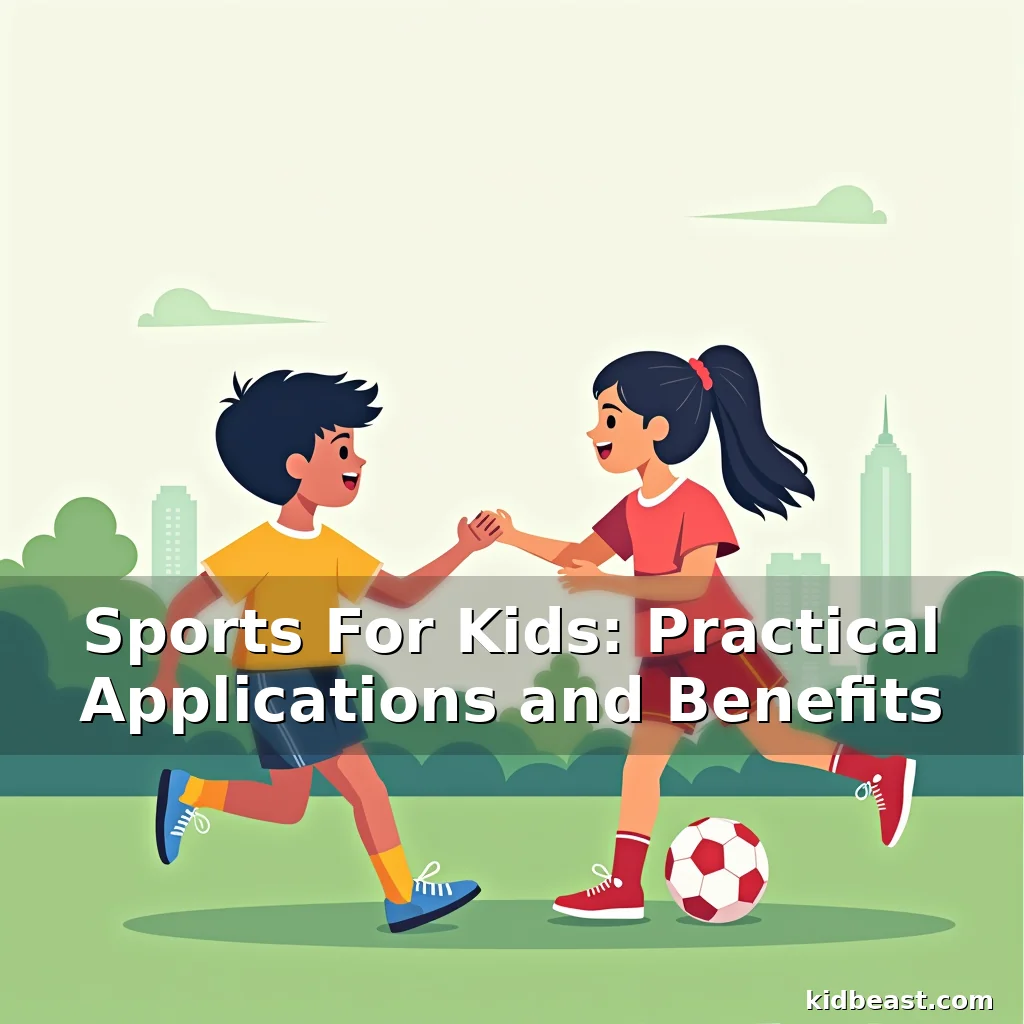
Fuel Your Future Champion: Why Every Child Needs Sports & How to Get Started
Sports aren’t just about winning trophies—they’re powerful tools shaping healthy minds and strong bodies. From soccer fields to gymnastics studios, active play builds lifelong habits that help kids thrive academically, emotionally, and physically.
Children who engage regularly in organized sports show sharper focus, better self-esteem, and stronger friendships compared to those who don’t. This guide reveals exactly how movement fuels development and provides practical steps to find the perfect sport for your child.
The Science Behind Sports for Children
A growing body of research shows structured physical activity has profound effects on brain development. Exercise increases blood flow to the prefrontal cortex—the part responsible for decision-making and impulse control—which matures faster in active children.
Physical education isn’t just about burning calories; it’s about creating neural pathways that enhance learning abilities. Studies indicate students participating in daily PE score higher on standardized tests than peers who don’t have regular recess time.
- Cognitive Benefits: Regular exercise improves memory retention by increasing hippocampus size
- Mental Health Boost: Endorphins released during play reduce anxiety symptoms by 30% in youth
- Sleep Quality: Active children fall asleep 25 minutes faster and sleep deeper
Building Strong Bodies Through Movement
Organized sports provide essential opportunities for motor skill development. Activities like swimming require coordinated movements, while basketball drills teach hand-eye coordination—all critical foundations for future athletic pursuits.
Kids who participate in sports gain bone density equivalent to 6 months of calcium supplementation annually. This natural strengthening process reduces fracture risks by 40% during adolescence.
Cardiovascular endurance develops naturally through sustained activity. A typical soccer match burns approximately 600 calories while improving heart function equivalent to adult-level training sessions.
Mental Resilience Through Competition
Sports teach children to handle both victory and defeat gracefully. Learning to cope with loss without giving up creates resilience that translates to classroom challenges and personal relationships.
Team environments foster emotional intelligence by requiring constant communication, empathy, and cooperation. These soft skills contribute to better conflict resolution abilities later in life.
Youth athletes report 28% lower rates of depression compared to non-participants. The discipline required for practice routines also correlates with improved time management skills in school.
Creating Social Connections Through Play
Team sports build lasting friendships based on shared goals and mutual support. These bonds often become lifelong connections that continue beyond childhood years.
Coaching experiences teach leadership skills through mentorship roles. Assistant captain positions give kids opportunities to develop responsibility and strategic thinking.
Sport events bring communities together, fostering inclusivity as diverse groups interact through common interests. Cultural exchange occurs organically during international competitions and local tournaments alike.
Selecting the Right Sport for Your Child
Evaluating your child’s personality type helps identify ideal sports participation. Introverted children may benefit more from individual sports like tennis or swimming rather than high-pressure team settings.
Consider developmental stages when choosing activities:
- Preschoolers (ages 3-5): Focus on gross motor skill development through unstructured play
- Toddlers (ages 6-9): Introduce basic rules and teamwork elements gradually
- Pubescents (ages 10+): Choose specialized sports aligned with emerging interests
Look for programs emphasizing fun over competition, especially in early years. Excessive pressure can lead to burnout and disinterest in physical activity.
Getting Started Safely and Effectively
Begin with free trial classes to assess interest before committing to full-season memberships. Many community centers offer discounted rates for first-time participants.
Ensure proper equipment is used consistently—from mouthguards in contact sports to supportive shoes for running. Ill-fitting gear contributes to 35% of youth sports injuries annually.
Create balanced schedules avoiding overtraining syndromes. Experts recommend limiting intense workouts to 3 times weekly with adequate recovery periods between sessions.
Navigating Common Challenges
Dealing with setbacks like injuries or losing streaks teaches perseverance. Coaches should frame these experiences as character-building opportunities rather than failures.
Bullying sometimes occurs in competitive environments, though quality coaching minimizes incidents by establishing clear conduct expectations. Reporting mechanisms should be in place for any concerns.
Financial barriers exist for many families, but scholarships and sliding scale fees are available through numerous nonprofit organizations dedicated to promoting youth athletics.
The Role of Parents in Youth Sports
Parents serve as cheerleaders rather than coaches, focusing on effort rather than outcomes. Celebrate progress milestones instead of comparing results with other players.
Volunteering at practices and games strengthens family bonds while supporting community teams financially. Attending league meetings keeps you informed about program developments.
Resist the urge to push overly ambitious agendas onto children. Let them explore different sports until they discover genuine passions independently.
Maximizing Long-Term Benefits
Incorporate family fitness days combining sports with outdoor exploration. Hiking trips or bike rides create bonding moments while maintaining physical activity levels.
Track progress using digital apps that monitor activity patterns and set achievable goals. Visual representations motivate consistent participation over time.
Encourage healthy eating habits alongside sports participation. Nutritional guidelines specific to different age groups ensure optimal fueling for peak performance.
Conclusion
Youth sports provide unparalleled value beyond simple recreation, offering holistic development across physical, mental, and social domains. The right approach cultivates lifelong habits that extend well beyond childhood.
Start small with open-ended activities and gradually introduce more structured options as your child grows. Remember, the goal isn’t to produce professional athletes but to nurture well-rounded individuals prepared for life’s challenges.
“`
<|End of response|>

news is a contributor at KidBeast.com. We are committed to providing well-researched, accurate, and valuable content to our readers.