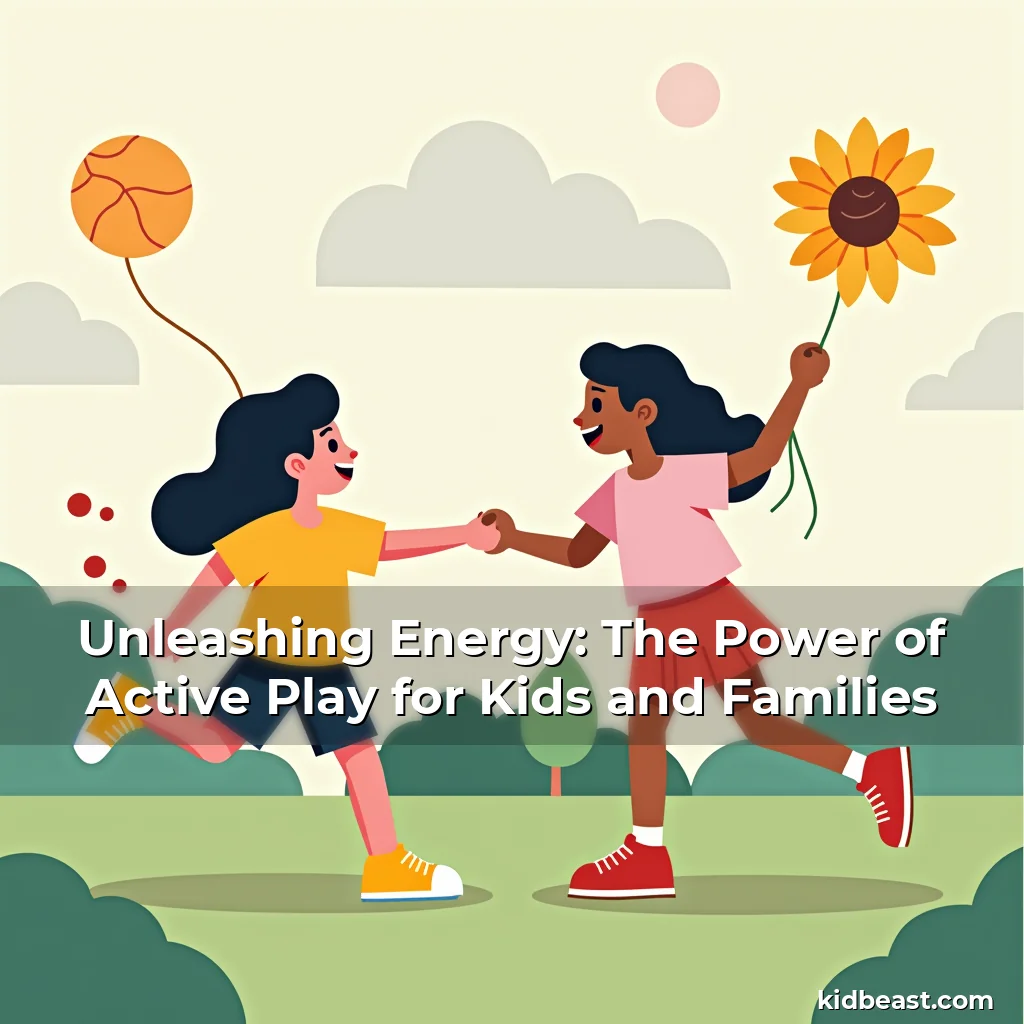
Unleashing Energy: The Power of Active Play for Kids and Families
In a world increasingly dominated by screens and sedentary habits, active play stands as a beacon of vitality and joy for children and families alike. It transforms ordinary moments into opportunities for movement, creativity, and connection.
This article delves deep into the essence of active play, exploring its multifaceted benefits, practical implementation strategies, and transformative potential for both kids and adults who engage in it. Whether you’re a parent seeking new ideas or a child eager to explore, this guide will illuminate the wonders of active play.
The Essence of Active Play
Active play refers to any activity involving physical exertion that engages a child’s body and mind simultaneously. From running through fields to building elaborate forts, these interactions foster holistic development.
Unlike passive entertainment, which often isolates individuals behind screens, active play encourages collaboration, problem-solving, and emotional expression. These elements
Track progress through weekly logs noting improvements in endurance, flexibility, and mood stability resulting from balanced digital-play integration practices.
Nurturing Creativity Through Active Play
Open-ended play scenarios allow infinite possibilities for imaginative exploration. Building sandcastles at the beach becomes an opportunity to engineer coastal defenses against hypothetical tsunamis.
Pretend play develops narrative construction skills as children craft stories through dramatic reenactments of historical events or fictional adventures.
Encourage cross-modal experiences by combining art projects with kinetic activities – painting while balancing on wobbly boards or sculpting clay amidst rhythmic music.
Provide diverse materials that stimulate tactile senses alongside physical movement, fostering multi-sensory learning experiences beneficial for all types of learners.
Enhancing Cognitive Development Through Play
Complex construction toys challenge spatial reasoning capabilities required for STEM disciplines. Lego structures demand planning, measurement, and structural integrity understanding.
Rhythm-based games like musical chairs reinforce auditory processing skills while improving reflexes necessary for quick decision-making under pressure.
Role-playing scenarios build empathy and perspective-taking abilities by requiring players to inhabit various character roles with distinct motivations and backgrounds.
Outdoor navigation tasks such as orienteering map reading cultivate geographic knowledge combined with physical stamina demands making them particularly effective learning tools.
Cultivating Healthy Routines Around Active Play
Consistency creates habit formation patterns that persist beyond initial novelty phases. Establish predictable times for play that align with existing daily rhythms.
Prepare mentally by viewing active play as non-negotiable priority similar to meal preparation or sleep hygiene maintenance routines already embedded in most households.
Allow room for spontaneity within scheduled frames – flexible enough to accommodate unexpected invitations yet structured sufficiently to guarantee minimum participation thresholds.
Periodically assess effectiveness through informal observations noting changes in energy levels, attention spans, and general happiness indicators associated with regular play schedules.
Building Community Through Collective Play
Group play experiences forge connections between families sharing common values around health and wellness. Neighborhood block parties featuring relay races or talent show segments become bonding occasions.
Participating in organized sports leagues introduces children to structured competition frameworks while nurturing peer relationships formed through shared goals and accomplishments.
Volunteering at local animal shelters offers unique opportunities for active play combined with compassion training as kids interact with rescue animals needing care and affection.
Joining fitness classes specifically designed for mixed-age groups promotes intergenerational exchanges that enrich everyone involved through diverse perspectives gained during joint activities.
Conclusion
Active play emerges as a cornerstone of wholesome childhood development, offering unparalleled value across physical, intellectual, emotional, and social dimensions.
By embracing active play as central component of family life, we empower our children with tools essential for navigating modern challenges successfully while preserving fundamental human traits rooted in movement and connection.

news is a contributor at KidBeast.com. We are committed to providing well-researched, accurate, and valuable content to our readers.