The Ultimate KidBeast Playbook: Essential Sports Gear for Young Champions
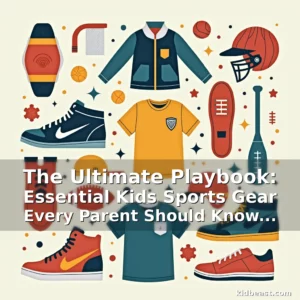
In an era where childhood is increasingly intertwined with structured play, investing in quality kids’ sports gear has become essential for nurturing young athletes. From soccer cleats that grip grass fields to helmets that protect during high-speed dashes, every piece of equipment plays a critical role in both performance and safety.
KidBeast parents understand that choosing the right gear isn’t just about aesthetics—it’s about enabling their children to thrive in competitive environments while minimizing injury risks. This guide will walk you through everything from fundamentals to advanced considerations when selecting sports equipment for your little champions.
Fundamentals of Kids Sports Safety Equipment
Safety must be the top priority when equipping children for any sport. Properly fitted protective gear can prevent serious injuries without hindering movement or enjoyment.
Head protection is crucial across nearly all contact sports. For football players, a well-fitted helmet with MIPS technology offers superior impact absorption compared to basic models. Skateboarders need helmets that meet CPSC standards for adequate coverage and ventilation.
- Helmets: Choose certified models with adjustable straps and breathable interiors for comfort during extended use
- Mouthguards: Custom-fitted options provide better protection than boil-and-bite versions but require professional fitting
Gloves are another vital component depending on the sport. Baseball gloves should have reinforced padding at the palm area, while hockey gloves offer segmented finger protection. Look for materials that allow flexibility yet maintain durability through repeated use.
Knee pads and elbow guards are particularly important for skateboarding, cycling, and inline skating. Opt for lightweight foam-padded designs with secure Velcro closures that won’t loosen during intense activity.
Choosing the Right Footwear for Every Sport
Selecting appropriate athletic shoes is arguably one of the most overlooked aspects of youth sports preparation. The wrong footwear can lead to blisters, sprains, or even long-term gait issues.
Cleats are specifically designed for field sports like soccer, lacrosse, and baseball. Modern models feature molded rubber studs that adjust based on playing surface conditions. Girls’ soccer cleats often include wider toe boxes for enhanced foot support.
Rubber-soled sneakers are ideal for court-based activities such as basketball and volleyball. These shoes typically have high-top designs for ankle stability and cushioned soles that absorb shock from jumping landings.
Traction matters significantly in outdoor sports. Trail runners for hiking have deeper treads for muddy terrain, whereas track spikes have narrow metal pins for optimal speed on synthetic tracks.
Premium Performance Clothing for Youth Athletes
Appropriate clothing choices enhance both comfort and performance during physical exertion. Breathable fabrics help regulate body temperature while allowing freedom of movement.
Moisture-wicking compression shirts are becoming popular among young athletes. These garments pull sweat away from the skin using microfiber technology, preventing chafing and maintaining dryness during prolonged exercise sessions.
Layering systems work best in variable weather conditions. A base layer made of thermal fabric provides insulation, while a windbreaker offers protection against sudden gusts without restricting mobility.
For water-based sports, wetsuits come in various thicknesses depending on water temperatures. Thin neoprene suits are suitable for warmer months, while thicker options provide necessary warmth in colder waters.
Essential Accessories That Enhance Training
Beyond primary gear, several accessories can significantly boost training effectiveness and safety. These items may seem small but contribute greatly to overall performance.
A good hydration pack is indispensable for endurance sports. Models with insulated reservoirs keep drinks cool longer, while built-in drinking tubes allow easy access without stopping mid-exercise.
Training bands are versatile tools used in strength conditioning programs. They come in different resistance levels to target various muscle groups safely without putting excessive strain on joints.
Smart fitness trackers now offer features tailored for children. Some devices monitor heart rate variability and sleep patterns, providing parents with valuable health insights about their athlete’s recovery needs.
Eyewear deserves special attention for sports involving projectiles or bright sunlight. Polarized sunglasses reduce glare during outdoor games, while impact-resistant goggles protect eyes during contact sports.
Building a Sustainable Sports Wardrobe
Creating a durable collection of sports gear helps reduce waste and ensures long-term value for families. Quality over quantity becomes the guiding principle here.
Invest in classic styles that transcend seasonal trends. Neutral-colored jerseys and shorts remain functional regardless of current fashion cycles, making them excellent investment pieces.
Durable construction materials make all the difference in longevity. Reinforced stitching around stress points and abrasion-resistant outer layers extend product lifespan considerably.
Proper storage solutions prevent unnecessary wear and tear between uses. Mesh drying bags promote air circulation while keeping gear organized within closets or lockers.
Regular maintenance routines prolong equipment life. Wiping down surfaces after each use prevents dirt buildup, while periodic inspections identify potential weaknesses before they develop into failures.
Customization Options for Personal Style
Personalizing sports gear allows children to express individuality while fostering team spirit. Many manufacturers now offer customization services ranging from simple name embroidery to full-color graphics.
Name and number combinations create instant identification on the field. Laser engraving produces clearer text than traditional sewing methods, ensuring visibility even under intense lighting conditions.
Team colors and logos reinforce group identity. Matching uniforms not only look cohesive but also help build camaraderie among teammates through shared visual elements.
Creative design choices go beyond standard templates. Sublimation printing enables intricate patterns and photographic images that transform ordinary apparel into personalized statement pieces.
Navigating the Market: Tips for Smart Purchases
With countless options available, knowing how to evaluate products effectively saves time and money. Focus on key factors that determine gear suitability rather than getting distracted by flashy packaging.
Read customer reviews carefully, especially those mentioning fit accuracy and durability over time. Multiple-star ratings combined with detailed feedback give reliable indicators of real-world performance.
Look for certifications indicating compliance with safety standards. ASTM certification for protective equipment guarantees rigorous testing procedures were followed during manufacturing.
Compare price-to-value ratios instead of focusing solely on upfront costs. Cheaper alternatives might require frequent replacements, ultimately costing more in the long run.
Special Considerations for Different Age Groups
Youth development stages necessitate different gear specifications. What works for preschoolers engaged in unstructured play differs significantly from teenagers participating in elite competitions.
Infants learning motor skills benefit from soft, flexible equipment that doesn’t restrict natural movements. Foam-filled padding inside sports mats provides gentle fall protection without being too bulky.
Children aged 6-8 years begin formal team practices requiring specialized gear. Size charts provided by manufacturers help ensure accurate measurements since growth spurts can occur rapidly at this stage.
Teenagers approaching adulthood may prefer adult-sized equipment modified slightly for smaller frames. Adjustable features become increasingly important as bodies continue developing until late adolescence.
Environmental Impact of Sports Gear Production
As awareness grows about sustainability issues, eco-conscious consumers seek environmentally friendly alternatives without compromising functionality or safety.
Recycled polyester fabrics have gained popularity due to their reduced environmental footprint compared to virgin plastics. Brands offering closed-loop recycling programs take back old gear to repurpose materials responsibly.
Biodegradable components represent an emerging trend in sustainable manufacturing. Certain shoe soles now incorporate plant-based compounds that decompose naturally at end-of-life.
Local sourcing initiatives minimize carbon emissions associated with transportation logistics. Supporting regional manufacturers reduces reliance on global supply chains while promoting economic development locally.
Community Resources for Affordable Gear
Many communities provide resources helping families access affordable sports equipment without sacrificing quality standards. These programs aim to remove financial barriers to participation.
Charitable organizations often distribute gently used gear through donation drives. Local schools sometimes organize equipment swaps where families exchange unused items in good condition.
Public recreation departments frequently host free clinics that include loaner equipment for introductory sessions. Municipal parks may maintain inventory lists of available rentals categorized by age group.
Online marketplaces specializing in pre-owned sports gear offer budget-friendly options vetted for safety compliance. Ratings systems help buyers assess reliability and condition before purchasing second-hand items.
Conclusion
Equipping young athletes with the right sports gear involves careful consideration of safety, performance, and personal expression. Thoughtful selections empower children to reach their fullest potential in whatever sporting endeavor they choose.
Remember that the best gear supports both physical capabilities and emotional engagement. Encourage your child’s enthusiasm by choosing items that reflect their interests while meeting necessary technical requirements.